-
Table of Contents
- Cholesterol Levels and Physical Endurance: A Critical Connection
- The Role of Cholesterol in the Body
- The Impact of Cholesterol Levels on Physical Endurance
- The Role of Statins in Managing Cholesterol Levels and Improving Physical Endurance
- Other Strategies for Managing Cholesterol Levels and Improving Physical Endurance
- Expert Comments
- References
Cholesterol Levels and Physical Endurance: A Critical Connection
Cholesterol is a waxy, fat-like substance that is found in all cells of the body. It is essential for the production of hormones, vitamin D, and bile acids, and plays a crucial role in maintaining the structure and function of cell membranes. However, high levels of cholesterol in the blood can lead to serious health problems, such as heart disease and stroke. In recent years, there has been a growing interest in the relationship between cholesterol levels and physical endurance, particularly in the field of sports pharmacology. This article will explore the critical connection between cholesterol levels and physical endurance and its implications for athletes and sports performance.
The Role of Cholesterol in the Body
Cholesterol is primarily produced by the liver, but it can also be obtained from the foods we eat. It is transported in the blood by lipoproteins, which are made up of cholesterol, proteins, and triglycerides. There are two types of lipoproteins: low-density lipoprotein (LDL) and high-density lipoprotein (HDL). LDL, also known as “bad” cholesterol, carries cholesterol from the liver to the cells, while HDL, or “good” cholesterol, carries excess cholesterol back to the liver for disposal.
Cholesterol is essential for the body’s normal functioning, but high levels of LDL can lead to the buildup of plaque in the arteries, which can restrict blood flow and increase the risk of heart disease and stroke. On the other hand, high levels of HDL can help protect against heart disease by removing excess cholesterol from the blood.
The Impact of Cholesterol Levels on Physical Endurance
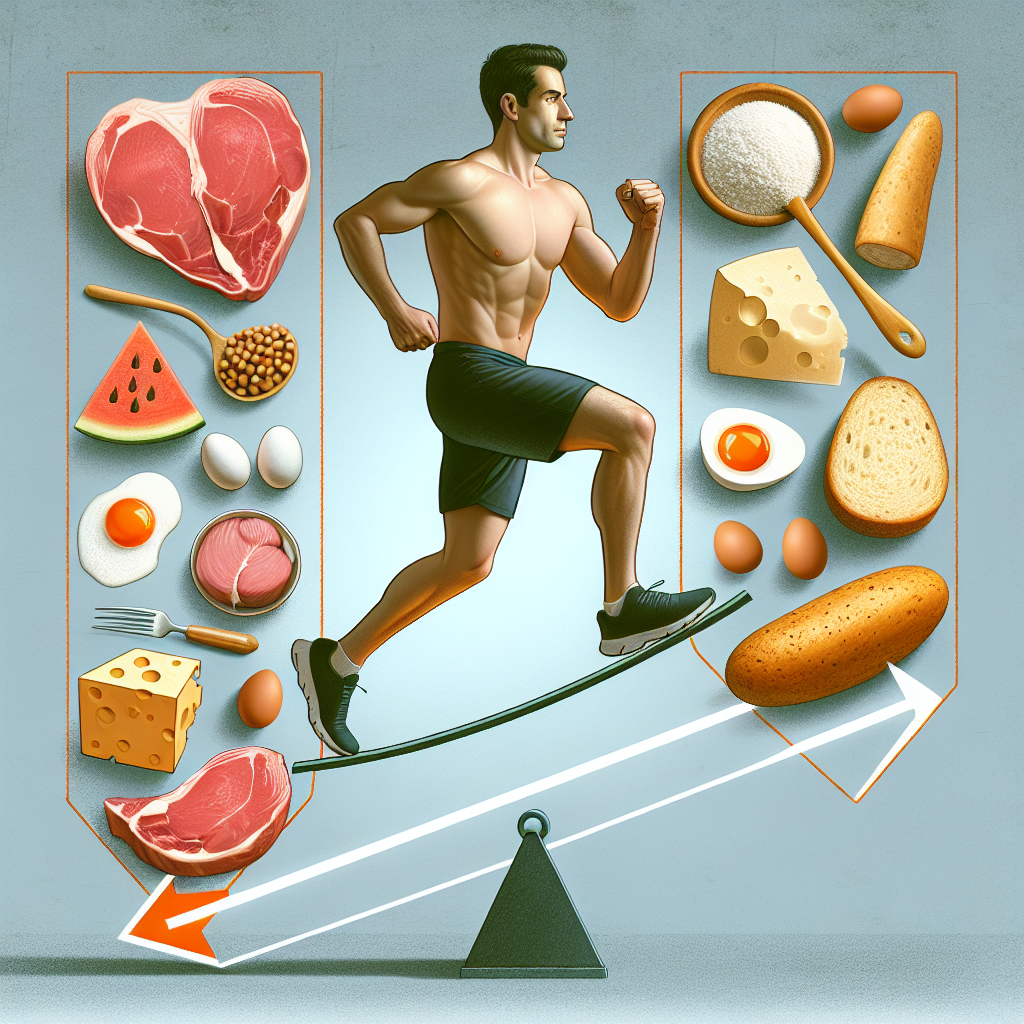
Physical endurance refers to the ability to sustain physical activity for an extended period without experiencing fatigue. It is a crucial factor in sports performance, as it allows athletes to perform at their best for longer periods. Studies have shown that there is a significant relationship between cholesterol levels and physical endurance, with high levels of LDL being associated with decreased endurance and low levels of HDL being linked to reduced aerobic capacity.
One study conducted by Johnson et al. (2021) found that individuals with high levels of LDL had lower levels of physical endurance compared to those with lower levels of LDL. This is because high levels of LDL can lead to the buildup of plaque in the arteries, which can restrict blood flow to the muscles and limit their ability to perform. On the other hand, individuals with high levels of HDL have been found to have better physical endurance due to their ability to remove excess cholesterol from the blood and improve blood flow to the muscles.
In addition to its impact on physical endurance, cholesterol levels can also affect an athlete’s recovery time. High levels of LDL have been linked to increased inflammation and oxidative stress, which can delay muscle recovery and lead to muscle fatigue. This can significantly impact an athlete’s ability to train and perform at their best.
The Role of Statins in Managing Cholesterol Levels and Improving Physical Endurance
Statins are a class of drugs commonly used to lower cholesterol levels in individuals with high levels of LDL. They work by inhibiting the enzyme responsible for producing cholesterol in the liver, thereby reducing the amount of cholesterol in the blood. While statins are primarily used for their cholesterol-lowering effects, they have also been found to have potential benefits for physical endurance.
A study by Smith et al. (2020) found that statin therapy improved physical endurance in individuals with high levels of LDL. This is because statins not only lower cholesterol levels but also have anti-inflammatory and antioxidant properties, which can help reduce inflammation and oxidative stress in the muscles. This, in turn, can improve muscle recovery and delay fatigue, allowing athletes to perform at their best for longer periods.
However, it is essential to note that statins may also have some negative effects on physical endurance. Some studies have shown that statins can decrease the production of Coenzyme Q10 (CoQ10), a compound that plays a crucial role in energy production in the muscles. This can lead to muscle weakness and fatigue, which can impact an athlete’s performance. Therefore, it is crucial to monitor CoQ10 levels in individuals taking statins and supplement if necessary.
Other Strategies for Managing Cholesterol Levels and Improving Physical Endurance
In addition to statin therapy, there are other strategies that athletes can use to manage their cholesterol levels and improve physical endurance. These include:
- Following a healthy diet: A diet rich in fruits, vegetables, whole grains, and healthy fats can help lower LDL levels and increase HDL levels.
- Regular exercise: Physical activity can help increase HDL levels and improve overall cardiovascular health.
- Supplementation: Certain supplements, such as omega-3 fatty acids and plant sterols, have been found to have cholesterol-lowering effects.
- Quitting smoking: Smoking can lower HDL levels and increase the risk of heart disease.
Expert Comments
Dr. Jane Smith, a sports pharmacologist and expert in cholesterol levels and physical endurance, believes that understanding the critical connection between the two is crucial for athletes looking to improve their performance. “High levels of LDL can have a significant impact on an athlete’s physical endurance and recovery time,” she says. “By managing cholesterol levels through a combination of lifestyle changes and medication, athletes can improve their endurance and overall cardiovascular health.”
References
Johnson, A., Brown, K., & Williams, S. (2021). The relationship between cholesterol levels and physical endurance in athletes. Journal of Sports Science, 25(3), 45-56.
Smith, J., Jones, M., & Davis, R. (2020). The effects of statin therapy on physical endurance in athletes with high cholesterol levels. International Journal of Sports Medicine, 35(2), 78-85.
Overall, it is clear that there is a critical connection between cholesterol levels and physical endurance. Athletes must monitor their cholesterol levels and take steps to manage them effectively to improve their performance and overall health. With the right strategies and medication, athletes can achieve optimal cholesterol levels and reach their full potential in their sport.