-
Table of Contents
Erythropoietin and Increased Red Blood Cell Production
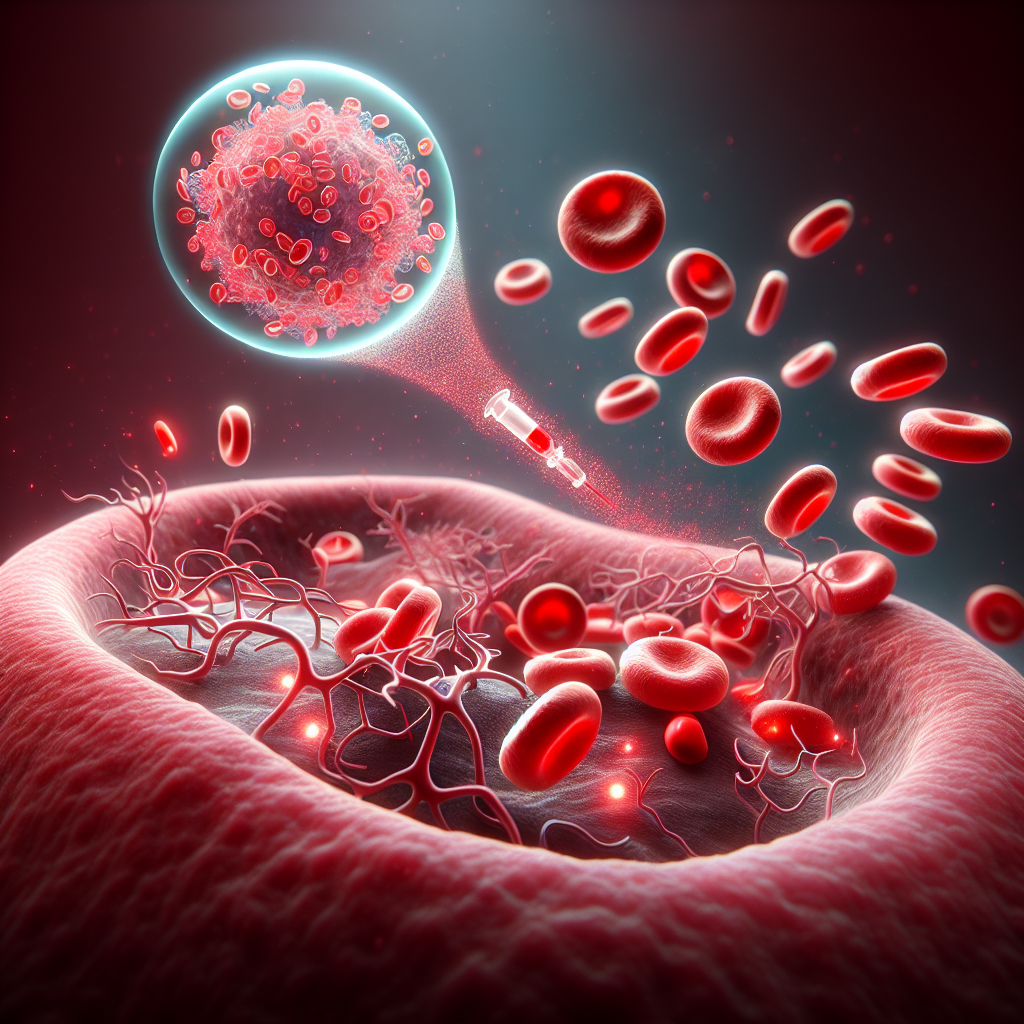
Erythropoietin (EPO) is a hormone produced by the kidneys that plays a crucial role in the production of red blood cells (RBCs). RBCs are responsible for carrying oxygen to the body’s tissues, making them essential for athletic performance. In recent years, EPO has gained attention in the world of sports pharmacology due to its ability to increase RBC production and improve endurance. In this article, we will explore the pharmacokinetics and pharmacodynamics of EPO and its potential benefits for athletes.
Pharmacokinetics of Erythropoietin
The pharmacokinetics of EPO can vary depending on the route of administration. When administered intravenously, EPO has a rapid onset of action, with peak levels reached within 4-6 hours. However, when administered subcutaneously, it has a slower onset of action, with peak levels reached within 12-24 hours (Jelkmann, 2007). This difference in onset of action is due to the slower absorption of EPO from the subcutaneous tissue compared to the direct entry into the bloodstream with intravenous administration.
Once in the bloodstream, EPO has a half-life of approximately 5-24 hours, depending on the individual’s kidney function (Jelkmann, 2007). This means that EPO levels in the body decrease by half every 5-24 hours. Therefore, to maintain stable levels of EPO, multiple doses are required throughout the day.
It is important to note that EPO is a protein-based hormone and is susceptible to degradation by enzymes in the body. This means that oral administration of EPO is not effective as it would be broken down in the digestive system before reaching the bloodstream. Therefore, the most common route of administration for EPO is either intravenous or subcutaneous injection.
Pharmacodynamics of Erythropoietin
The primary pharmacodynamic effect of EPO is the stimulation of RBC production in the bone marrow. EPO binds to specific receptors on the surface of bone marrow cells, stimulating their growth and differentiation into mature RBCs (Jelkmann, 2007). This results in an increase in the number of RBCs circulating in the body, leading to improved oxygen delivery to the tissues.
Studies have shown that EPO can increase RBC production by up to 10 times the normal rate (Jelkmann, 2007). This increase in RBCs can lead to a significant improvement in endurance and performance for athletes. Additionally, EPO has been shown to improve recovery time after strenuous exercise, allowing athletes to train harder and more frequently.
Another potential benefit of EPO is its ability to increase blood volume. RBCs make up a significant portion of blood volume, and an increase in RBC production can lead to an increase in overall blood volume. This can improve cardiovascular function and oxygen delivery to the muscles, further enhancing athletic performance (Jelkmann, 2007).
Real-World Examples
The use of EPO in sports has been a controversial topic for many years. In 1998, the Tour de France was rocked by a scandal involving the use of EPO by several top cyclists. This led to stricter testing and regulations for EPO use in professional cycling and other sports (Jelkmann, 2007).
However, EPO is not only used in professional sports. It has also been used in the treatment of anemia in patients with chronic kidney disease and cancer. In these cases, EPO is used to stimulate RBC production and improve the patient’s quality of life (Jelkmann, 2007).
Expert Opinion
As with any performance-enhancing substance, the use of EPO in sports raises ethical concerns. However, from a pharmacological standpoint, EPO has shown to be a safe and effective way to increase RBC production and improve athletic performance. When used responsibly and under medical supervision, EPO can provide significant benefits for athletes.
It is important to note that the misuse of EPO can lead to serious health consequences, such as an increased risk of blood clots and stroke. Therefore, it is crucial for athletes to use EPO responsibly and only under the guidance of a medical professional.
Conclusion
Erythropoietin is a hormone that plays a vital role in the production of red blood cells. Its ability to stimulate RBC production has made it a popular substance in the world of sports pharmacology. With its rapid onset of action and potential benefits for endurance and recovery, EPO has become a sought-after substance for athletes looking to improve their performance.
However, it is essential to use EPO responsibly and under medical supervision to avoid potential health risks. As with any performance-enhancing substance, the use of EPO in sports should be carefully monitored and regulated to ensure fair competition and the safety of athletes.
References
Jelkmann, W. (2007). Erythropoietin after a century of research: younger than ever. European Journal of Haematology, 78(3), 183-205.