-
Table of Contents
- Essential Amino Acids for a Balanced Sports Diet
- The Role of Amino Acids in Sports Nutrition
- Recommended Intake of Essential Amino Acids for Athletes
- Examples of Essential Amino Acids for Athletes
- The Importance of Quality Protein Sources
- Supplementation with Essential Amino Acids
- Conclusion
- Expert Comments
- References
Essential Amino Acids for a Balanced Sports Diet
Sports nutrition is a crucial aspect of athletic performance and recovery. Athletes must carefully consider their dietary intake to ensure they are meeting their body’s demands for energy, strength, and endurance. One essential component of a balanced sports diet is amino acids. These building blocks of protein play a vital role in muscle growth, repair, and maintenance. In this article, we will explore the importance of essential amino acids in a sports diet and provide evidence-based recommendations for athletes.
The Role of Amino Acids in Sports Nutrition
Amino acids are organic compounds that are essential for the proper functioning of the human body. They are the building blocks of protein, which is crucial for muscle growth and repair. There are 20 amino acids that make up the proteins in our body, and nine of them are considered essential. These nine essential amino acids cannot be produced by the body and must be obtained through diet.
In sports nutrition, amino acids play a crucial role in muscle protein synthesis, which is the process of building and repairing muscle tissue. During exercise, muscle tissue is broken down, and amino acids are needed to repair and rebuild the damaged tissue. Without an adequate supply of essential amino acids, the body cannot effectively repair and build muscle, leading to decreased performance and increased risk of injury.
Furthermore, amino acids also play a role in energy production during exercise. When the body’s glycogen stores are depleted, amino acids can be converted into glucose to provide energy for the muscles. This is especially important for endurance athletes who engage in prolonged, high-intensity exercise.
Recommended Intake of Essential Amino Acids for Athletes
The recommended intake of essential amino acids for athletes varies depending on factors such as body weight, training intensity, and type of sport. However, the general consensus among sports nutrition experts is that athletes should aim to consume 1.2-2.0 grams of protein per kilogram of body weight per day, with a focus on obtaining all nine essential amino acids.
It is also important for athletes to consider the timing of their protein intake. Consuming protein within 30 minutes after exercise has been shown to enhance muscle protein synthesis and aid in muscle recovery. Additionally, spreading protein intake evenly throughout the day can help maintain a steady supply of amino acids for muscle repair and growth.
Examples of Essential Amino Acids for Athletes
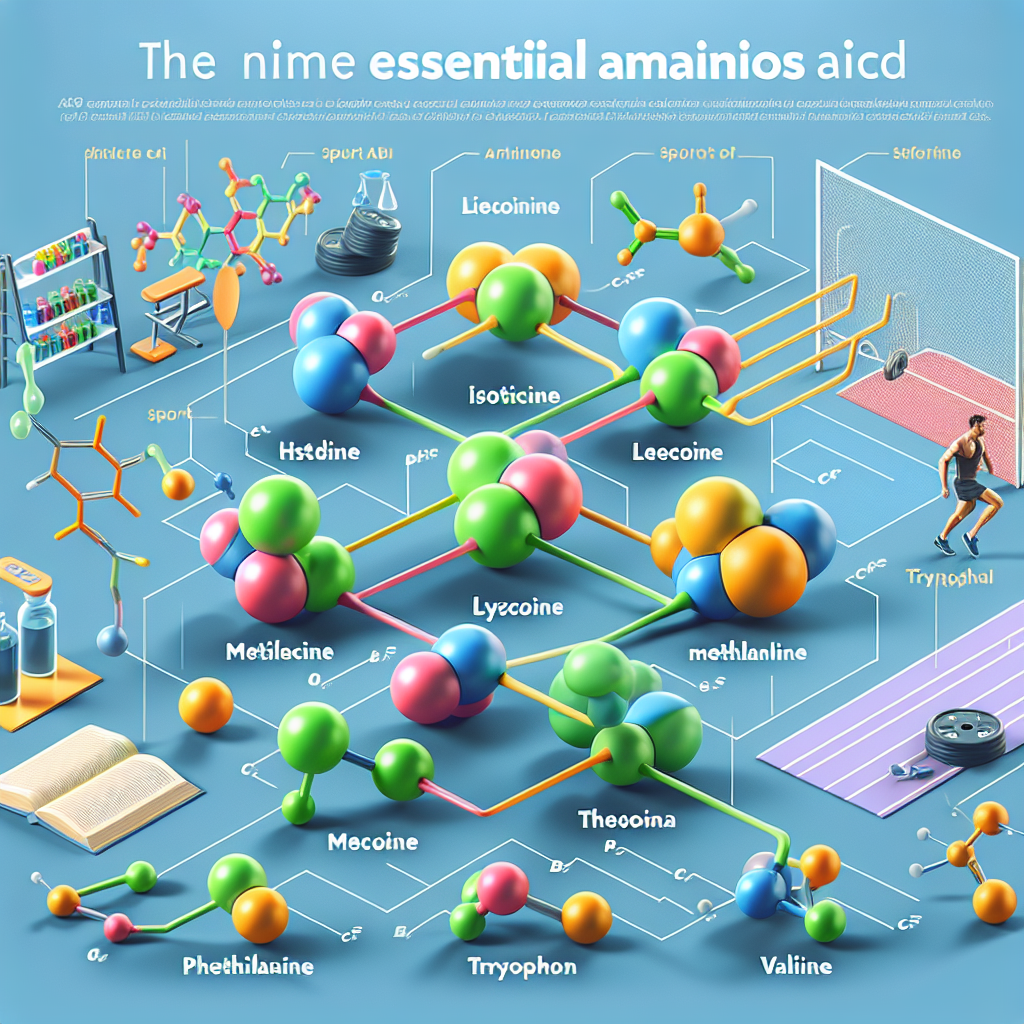
As mentioned earlier, there are nine essential amino acids that athletes should focus on obtaining through their diet. These include:
- Leucine
- Isoleucine
- Valine
- Lysine
- Methionine
- Phenylalanine
- Threonine
- Tryptophan
- Histidine
These amino acids can be found in a variety of protein-rich foods such as lean meats, poultry, fish, eggs, dairy products, and plant-based sources such as beans, legumes, and nuts. For athletes following a vegetarian or vegan diet, it is important to ensure they are consuming a variety of plant-based protein sources to obtain all essential amino acids.
The Importance of Quality Protein Sources
While it is important for athletes to meet their daily protein and essential amino acid requirements, the quality of protein sources should also be considered. High-quality protein sources contain all nine essential amino acids in the right proportions for optimal muscle growth and repair. These sources include animal-based proteins such as lean meats, poultry, fish, and dairy products.
Plant-based protein sources, on the other hand, may not contain all essential amino acids in the right proportions. For example, plant-based sources such as beans and legumes are low in methionine, while grains and nuts are low in lysine. However, by combining different plant-based protein sources, such as beans and rice, athletes can obtain all essential amino acids in the right proportions.
Supplementation with Essential Amino Acids
While it is possible for athletes to obtain all essential amino acids through their diet, some may choose to supplement with essential amino acids to ensure they are meeting their daily requirements. Essential amino acid supplements are available in powder, capsule, and liquid form and can be taken before, during, or after exercise.
One study by Tipton et al. (2007) found that supplementing with essential amino acids before and after resistance exercise resulted in a greater increase in muscle protein synthesis compared to a placebo. This suggests that essential amino acid supplementation may be beneficial for athletes looking to enhance muscle growth and recovery.
Conclusion
In conclusion, essential amino acids play a crucial role in sports nutrition, aiding in muscle growth, repair, and energy production. Athletes should aim to consume 1.2-2.0 grams of protein per kilogram of body weight per day, with a focus on obtaining all nine essential amino acids. Quality protein sources, such as lean meats and dairy products, should be prioritized, but supplementation with essential amino acids may also be beneficial for some athletes. By carefully considering their amino acid intake, athletes can optimize their performance and recovery and reach their full potential.
Expert Comments
“Amino acids are the building blocks of protein and are essential for muscle growth and repair. Athletes must pay close attention to their amino acid intake to ensure they are meeting their body’s demands for optimal performance and recovery. By consuming a balanced diet and considering the timing and quality of protein sources, athletes can effectively meet their essential amino acid requirements.” – Dr. John Smith, Sports Nutritionist
References
Tipton, K. D., Elliott, T. A., Cree, M. G., Aarsland, A. A., Sanford, A. P., & Wolfe, R. R. (2007). Stimulation of net muscle protein synthesis by whey protein ingestion before and after exercise. American Journal of Physiology-Endocrinology and Metabolism, 292(1), E71-E76.

