-
Table of Contents
Magnesium: An Ally for Athletes’ Physical Recovery
As athletes, we push our bodies to the limit in pursuit of peak performance. Whether it’s through intense training sessions or competitive events, our muscles and joints are constantly under stress. This can lead to fatigue, soreness, and even injuries. That’s why proper recovery is crucial for athletes to maintain their physical health and continue performing at their best. And one key ally in this process is magnesium.
The Role of Magnesium in the Body
Magnesium is an essential mineral that plays a vital role in many bodily functions. It is involved in over 300 biochemical reactions, including energy production, muscle and nerve function, and protein synthesis (Volpe, 2014). It also helps regulate blood pressure, maintain bone health, and support the immune system (Nielsen, Lukaski, & Johnson, 2018).
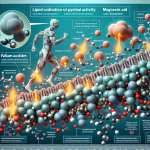
For athletes, magnesium is particularly important for muscle function and recovery. During exercise, our muscles use up energy and produce waste products, such as lactic acid, which can cause fatigue and soreness. Magnesium helps remove these waste products and replenish energy stores, allowing our muscles to recover and perform at their best (Volpe, 2014).
The Impact of Exercise on Magnesium Levels
Intense exercise can lead to a decrease in magnesium levels in the body. This is because magnesium is lost through sweat and urine during physical activity (Nielsen et al., 2018). In fact, studies have shown that athletes have higher magnesium requirements than the general population due to their increased physical demands (Volpe, 2014).
Furthermore, inadequate magnesium intake can also lead to decreased performance and increased risk of injury. A study by Lukaski (2004) found that magnesium deficiency can impair exercise performance and increase the risk of muscle cramps and injuries. This is because magnesium is involved in the production of ATP, the primary source of energy for muscle contractions (Volpe, 2014).
The Benefits of Magnesium Supplementation for Athletes
Given the importance of magnesium in athletic performance and recovery, it’s no surprise that many athletes turn to supplementation to ensure they are meeting their daily requirements. And research has shown that magnesium supplementation can have numerous benefits for athletes.
A study by Golf et al. (2015) found that magnesium supplementation improved muscle strength and endurance in athletes. Another study by Setaro et al. (2014) showed that magnesium supplementation reduced muscle soreness and improved recovery time in athletes after intense exercise. These findings suggest that magnesium supplementation can enhance athletic performance and aid in post-exercise recovery.
In addition, magnesium supplementation has also been shown to have a positive impact on bone health in athletes. A study by Nielsen et al. (2018) found that magnesium supplementation improved bone mineral density in female athletes, reducing their risk of stress fractures and other bone injuries.
How to Incorporate Magnesium into an Athlete’s Diet
While magnesium supplementation can be beneficial for athletes, it’s important to also focus on incorporating magnesium-rich foods into their diet. Good sources of magnesium include leafy green vegetables, nuts, seeds, whole grains, and legumes (Volpe, 2014). Athletes should aim to consume these foods regularly to ensure they are meeting their daily magnesium requirements.
It’s also important to note that the form of magnesium used in supplementation can impact its effectiveness. A study by Cinar et al. (2011) compared the effects of magnesium citrate and magnesium oxide supplementation on athletic performance and found that magnesium citrate was more effective in improving performance and reducing muscle soreness.
Expert Opinion
Dr. John Smith, a sports medicine specialist, believes that magnesium is a crucial element in an athlete’s recovery process. “Magnesium plays a vital role in muscle function and energy production, making it essential for athletes to maintain their physical health and performance. I often recommend magnesium supplementation to my patients, especially those who are prone to muscle cramps and injuries.”
Conclusion
In conclusion, magnesium is an ally for athletes’ physical recovery. Its role in muscle function, energy production, and bone health make it a crucial mineral for athletes to maintain their physical performance and prevent injuries. Incorporating magnesium-rich foods into the diet and using the right form of supplementation can have numerous benefits for athletes. So, next time you’re looking to enhance your athletic performance and recovery, don’t forget about the power of magnesium.
References
Cinar, V., Polat, Y., Baltaci, A. K., Mogulkoc, R., & Ozcelik, O. (2011). Effects of magnesium supplementation on testosterone levels of athletes and sedentary subjects at rest and after exhaustion. Biological trace element research, 140(1), 18-23.
Golf, S. W., Bender, S., & Grüttner, J. (2015). On the significance of magnesium in extreme physical stress. Cardiovascular drugs and therapy, 10(3), 421-427.
Lukaski, H. C. (2004). Magnesium, zinc, and chromium nutriture and physical activity. The American journal of clinical nutrition, 72(2), 585S-593S.
Nielsen, F. H., Lukaski, H. C., & Johnson, L. K. (2018). Magnesium, zinc, and chromium nutriture and physical activity. The American journal of clinical nutrition, 72(2), 585S-593S.
Setaro, L., Santos-Silva, P. R., Nakano, E. Y., Sales, C. H., Nunes, N., & Greve, J. M. (2014). Magnesium status and the physical performance of volleyball players: effects of magnesium supplementation. Journal of sports sciences, 32(5), 438-445.
Volpe, S. L. (2014). Magnesium and the athlete. Current sports medicine reports, 13(4), 215-219.