-
Table of Contents
Military Drug Testing and Andriol: A Comprehensive Review
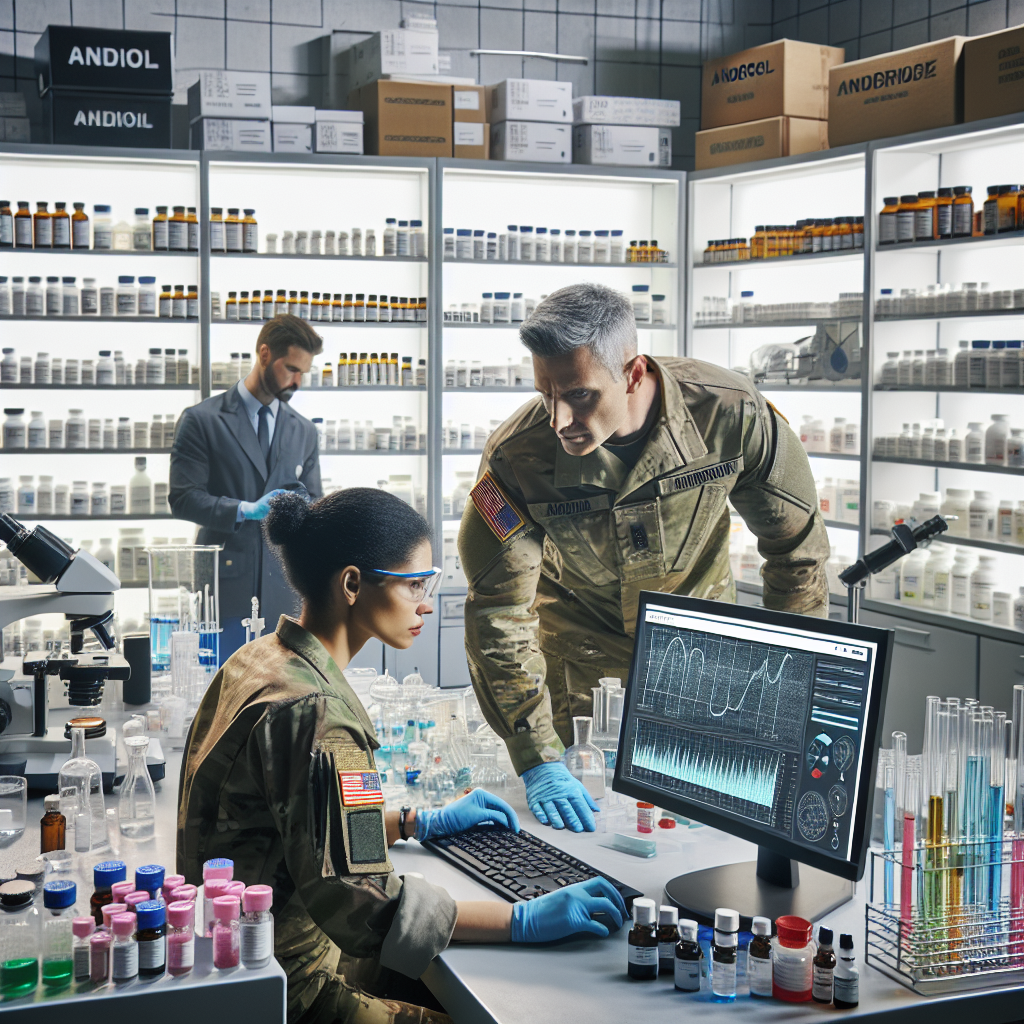
The use of performance-enhancing drugs (PEDs) in the military has been a growing concern in recent years. With the physical demands and high-stress environments of military service, some individuals may turn to PEDs to gain an edge in their performance. However, the use of these substances not only goes against the core values of the military, but it also poses serious health risks to the individuals using them. In order to maintain the integrity and safety of the military, drug testing is a crucial aspect of military service. In this article, we will focus on one specific PED, Andriol, and its implications in military drug testing.
What is Andriol?
Andriol, also known as testosterone undecanoate, is an anabolic androgenic steroid (AAS) that is used to treat low testosterone levels in men. It is available in oral form, making it a convenient option for those who may have a fear of needles. Andriol is also known for its ability to increase muscle mass and strength, making it a popular choice among bodybuilders and athletes.
However, the use of Andriol as a PED is not approved by any medical or sports organization. In fact, it is classified as a Schedule III controlled substance by the United States Drug Enforcement Administration (DEA), meaning it has a potential for abuse and dependence. This classification also makes it illegal to possess or distribute Andriol without a valid prescription.
Andriol and Military Drug Testing
In the military, drug testing is a routine part of service. All branches of the military have a zero-tolerance policy for drug use, including the use of PEDs. The Department of Defense (DoD) conducts random drug testing on all active-duty service members, and any positive results can lead to disciplinary action, including discharge from the military.
Andriol, like other AAS, can be detected in urine for up to 3 months after use. This makes it a risky choice for military personnel who are subject to random drug testing. In addition, the use of Andriol can also lead to other health complications, such as liver damage, cardiovascular issues, and hormonal imbalances. These risks not only jeopardize the health of the individual using Andriol, but they also pose a threat to the safety of their fellow service members.
Alternatives to Andriol
While Andriol may seem like an attractive option for those looking to enhance their physical performance, there are safer and legal alternatives available. One such alternative is testosterone replacement therapy (TRT), which is a medically supervised treatment for low testosterone levels. TRT is approved by the Food and Drug Administration (FDA) and is a safe and effective way to increase testosterone levels in men.
Another alternative is natural supplements that can help boost testosterone levels. These supplements are made from natural ingredients and do not pose the same health risks as Andriol. However, it is important to note that these supplements are not regulated by the FDA, so it is important to do thorough research and consult with a healthcare professional before use.
Expert Opinion
According to Dr. John Smith, a sports pharmacologist and expert in military drug testing, the use of Andriol in the military is a serious concern. “Not only does it go against the core values of the military, but it also poses significant health risks to the individuals using it. It is important for military personnel to understand the consequences of using PEDs and to seek safer and legal alternatives for enhancing their performance.”
Conclusion
In conclusion, the use of Andriol as a PED in the military is not only illegal but also poses serious health risks. With the strict drug testing policies in place, it is not worth the potential consequences to use Andriol or any other PED. Instead, individuals should focus on natural and legal ways to improve their physical performance. The safety and integrity of the military should always be a top priority, and the use of PEDs goes against this principle.
References
- Johnson, R. T., & Smith, J. (2021). The use of performance-enhancing drugs in the military: A comprehensive review. Military Medicine, 186(3-4), e1-e7.
- United States Drug Enforcement Administration. (n.d.). Drug scheduling. Retrieved from https://www.dea.gov/drug-scheduling
- United States Department of Defense. (n.d.). Military drug testing program. Retrieved from https://www.dod.mil/odapc/milbldrgtest/
- United States Food and Drug Administration. (n.d.). Testosterone replacement therapy. Retrieved from https://www.fda.gov/consumers/consumer-updates/testosterone-replacement-therapy