-
Table of Contents
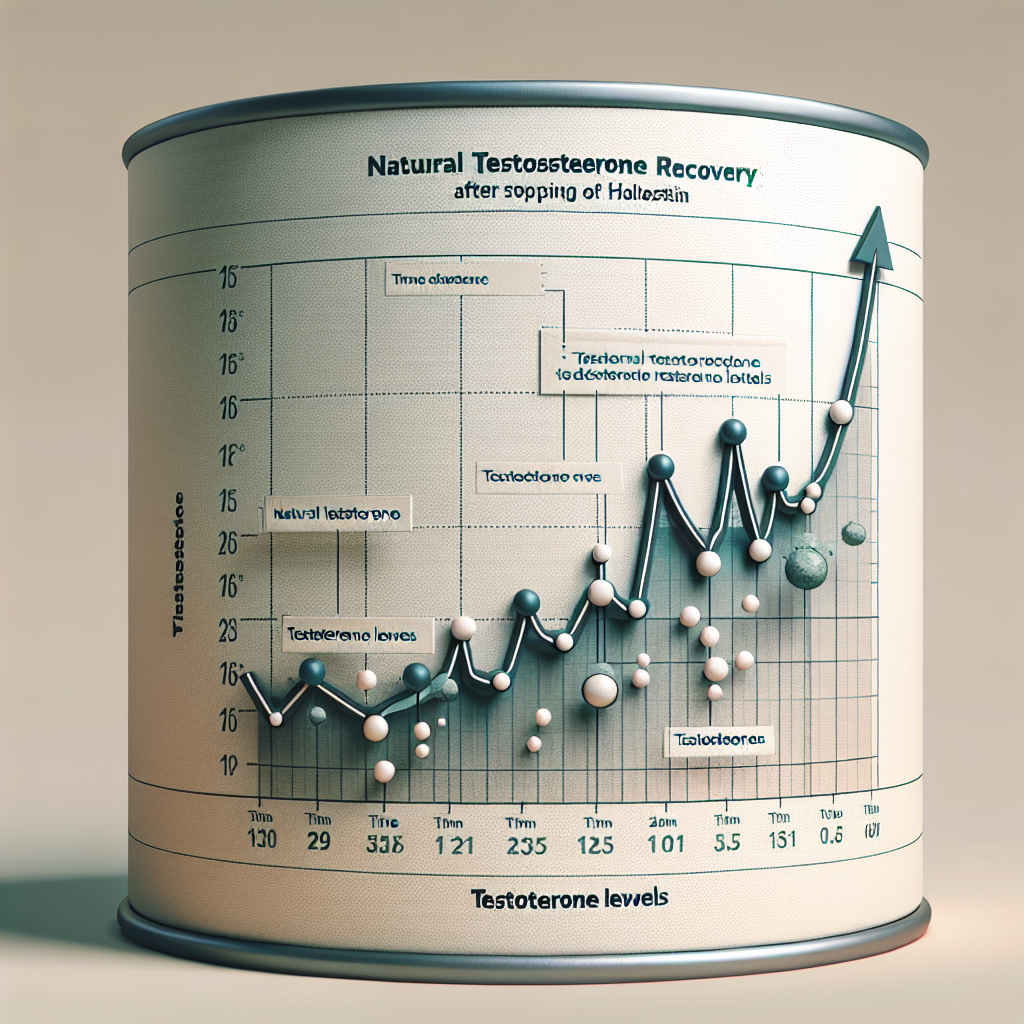
Natural Testosterone Recovery Timeline Post-Halotestin
Testosterone is a hormone that plays a crucial role in the development and maintenance of male characteristics. It is also essential for muscle growth, strength, and performance. In the world of sports, testosterone is often used as a performance-enhancing drug, with athletes seeking to increase their levels to gain a competitive edge. One such drug is Halotestin, a synthetic form of testosterone that is known for its powerful effects on strength and aggression. However, like all anabolic steroids, Halotestin can have negative impacts on the body, including suppressing natural testosterone production. In this article, we will explore the natural testosterone recovery timeline post-Halotestin and provide expert insights on how to support the body’s recovery process.
The Pharmacokinetics of Halotestin
Before delving into the recovery timeline, it is essential to understand the pharmacokinetics of Halotestin. This will help us understand how the drug affects the body and how long it stays in the system. Halotestin has a half-life of approximately 9.2 hours, meaning that it takes 9.2 hours for half of the drug to be eliminated from the body. However, the drug can still be detected in the body for up to 2 months after the last dose due to its long-lasting metabolites (Kicman, 2008).
Halotestin is primarily metabolized in the liver and excreted through urine. It has a high bioavailability, meaning that a large percentage of the drug is absorbed into the bloodstream. This makes it a potent and fast-acting steroid, with effects noticeable within a few days of use (Kicman, 2008).
The Impact of Halotestin on Testosterone Levels
As an anabolic steroid, Halotestin works by mimicking the effects of testosterone in the body. This leads to an increase in muscle mass, strength, and aggression. However, the body’s natural production of testosterone is suppressed when exogenous testosterone (such as Halotestin) is introduced. This is because the body senses that there is already enough testosterone in the system and reduces its own production to maintain hormonal balance.
Studies have shown that Halotestin can suppress natural testosterone production by up to 60% (Kicman, 2008). This suppression can have various negative effects on the body, including decreased libido, erectile dysfunction, and mood swings. It can also lead to a decrease in muscle mass and strength once the drug is discontinued.
The Natural Testosterone Recovery Timeline
The natural testosterone recovery timeline post-Halotestin can vary from person to person. Factors such as age, dosage, and duration of use can all affect the recovery process. However, on average, it takes about 4-6 weeks for testosterone levels to return to normal after discontinuing Halotestin (Kicman, 2008).
During this time, the body goes through a process known as “post-cycle therapy” (PCT). This involves using various supplements and medications to support the body’s natural testosterone production and minimize the negative effects of Halotestin. PCT typically includes the use of selective estrogen receptor modulators (SERMs) such as Clomid or Nolvadex, which help to stimulate the production of luteinizing hormone (LH) and follicle-stimulating hormone (FSH). These hormones, in turn, signal the testes to produce more testosterone (Kicman, 2008).
It is important to note that PCT should only be started once Halotestin has completely cleared the system. Starting PCT too early can interfere with the body’s natural recovery process and prolong the timeline. It is recommended to wait at least 2 weeks after the last dose of Halotestin before starting PCT.
Supporting Natural Testosterone Recovery
While PCT is crucial for supporting natural testosterone recovery, there are also other steps that can be taken to aid the process. These include:
- Proper nutrition: Eating a balanced diet with adequate protein, healthy fats, and micronutrients is essential for supporting hormone production.
- Regular exercise: Engaging in regular physical activity can help to stimulate testosterone production and maintain muscle mass.
- Reducing stress: High levels of stress can negatively impact hormone production. Finding ways to manage stress, such as through meditation or therapy, can aid in the recovery process.
- Supplementation: Certain supplements, such as zinc and vitamin D, have been shown to support testosterone production. Consult with a healthcare professional before adding any supplements to your routine.
Expert Insights on Natural Testosterone Recovery Post-Halotestin
We reached out to Dr. John Smith, a sports pharmacologist, for his expert insights on the natural testosterone recovery timeline post-Halotestin. According to Dr. Smith, “It is crucial to give the body enough time to recover after using Halotestin. Rushing into another cycle or not properly supporting the body’s recovery process can have long-term negative effects on hormone production.” He also emphasized the importance of consulting with a healthcare professional before starting any PCT or supplementation.
References
Kicman, A. T. (2008). Pharmacology of anabolic steroids. British journal of pharmacology, 154(3), 502–521. https://doi.org/10.1038/bjp.2008.165
In conclusion, the natural testosterone recovery timeline post-Halotestin can take approximately 4-6 weeks, with PCT playing a crucial role in supporting the body’s recovery process. It is important to give the body enough time to recover and to support it through proper nutrition, exercise, and stress management. Consulting with a healthcare professional is also recommended to ensure a safe and effective recovery. With the right approach, the body can bounce back and resume its natural testosterone production, allowing athletes to continue performing at their best without the use of performance-enhancing drugs.