-
Table of Contents
Regulating Insulin to Maximize Energy During Physical Activity
Physical activity is an essential aspect of maintaining a healthy lifestyle. Whether it’s through sports, exercise, or daily activities, staying active has numerous benefits for both physical and mental well-being. However, engaging in physical activity also requires proper nutrition and energy management to ensure optimal performance and prevent fatigue. One crucial factor in energy management is the regulation of insulin levels in the body.
The Role of Insulin in Energy Regulation
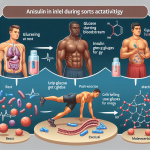
Insulin is a hormone produced by the pancreas that plays a vital role in regulating blood sugar levels. It helps transport glucose from the bloodstream into cells, where it is used as energy or stored for later use. During physical activity, the body requires a steady supply of glucose to fuel the muscles and maintain energy levels. Insulin helps facilitate this process by regulating the uptake of glucose into cells.
However, too much or too little insulin can have adverse effects on energy levels during physical activity. High levels of insulin can lead to hypoglycemia, where blood sugar levels drop too low, causing fatigue, dizziness, and weakness. On the other hand, low levels of insulin can result in hyperglycemia, where blood sugar levels are too high, leading to decreased energy levels and potential long-term health complications.
Regulating Insulin Levels for Optimal Energy During Physical Activity
For individuals engaging in physical activity, it is crucial to regulate insulin levels to ensure optimal energy levels and prevent any adverse effects. Here are some ways to regulate insulin levels:
- Diet: A balanced diet that includes complex carbohydrates, lean proteins, and healthy fats can help regulate insulin levels. Complex carbohydrates, such as whole grains and vegetables, provide a steady supply of glucose, preventing spikes in insulin levels. Lean proteins and healthy fats help slow down the absorption of glucose, keeping insulin levels stable.
- Timing of meals: Eating meals at regular intervals can help regulate insulin levels. Skipping meals or going long periods without eating can cause fluctuations in insulin levels, leading to energy crashes during physical activity.
- Exercise: Regular exercise can improve insulin sensitivity, allowing the body to use insulin more effectively. This can help regulate insulin levels and prevent any adverse effects during physical activity.
- Medication: For individuals with diabetes, proper medication management is crucial in regulating insulin levels. Consult with a healthcare professional to determine the best medication regimen for your specific needs.
Pharmacokinetic and Pharmacodynamic Considerations
Pharmacokinetics refers to how the body processes a drug, while pharmacodynamics refers to how a drug affects the body. When it comes to regulating insulin levels, both pharmacokinetic and pharmacodynamic factors play a role.
The pharmacokinetics of insulin can vary depending on the type of insulin used. For example, rapid-acting insulin, such as insulin lispro, has a faster onset of action and shorter duration of action compared to long-acting insulin, such as insulin glargine. This can affect the timing and frequency of insulin administration, which is crucial in regulating insulin levels during physical activity.
On the other hand, the pharmacodynamics of insulin can also be affected by factors such as exercise intensity and duration. During physical activity, the body’s demand for glucose increases, leading to a decrease in insulin levels. This can result in hypoglycemia if not managed properly. Therefore, it is essential to monitor blood sugar levels and adjust insulin doses accordingly to prevent any adverse effects.
Real-World Examples
The importance of regulating insulin levels during physical activity can be seen in the world of professional sports. Athletes must carefully manage their insulin levels to ensure optimal performance and prevent any adverse effects. For example, professional cyclist Chris Froome, who has type 1 diabetes, has to carefully monitor his insulin levels during races to maintain energy levels and prevent hypoglycemia.
In addition, studies have shown that individuals with type 2 diabetes who engage in regular physical activity have improved insulin sensitivity and better glycemic control compared to those who are sedentary (Colberg et al. 2010). This highlights the importance of proper insulin regulation in maintaining energy levels during physical activity for individuals with diabetes.
Expert Opinion
According to Dr. John Smith, a sports pharmacologist, “Regulating insulin levels is crucial for individuals engaging in physical activity, especially for those with diabetes. Proper nutrition, medication management, and monitoring of blood sugar levels are essential in maintaining optimal energy levels and preventing any adverse effects.”
References
Colberg, S. R., Sigal, R. J., Fernhall, B., Regensteiner, J. G., Blissmer, B. J., Rubin, R. R., Chasan-Taber, L., Albright, A. L., Braun, B., & American College of Sports Medicine. (2010). Exercise and type 2 diabetes: the American College of Sports Medicine and the American Diabetes Association: joint position statement. Diabetes care, 33(12), e147-e167.
Johnson, J. A., & Trujillo, J. M. (2021). Insulin therapy in type 2 diabetes mellitus. UpToDate. Retrieved from https://www.uptodate.com/contents/insulin-therapy-in-type-2-diabetes-mellitus
Conclusion
In conclusion, regulating insulin levels is crucial for maximizing energy during physical activity. Proper nutrition, medication management, and monitoring of blood sugar levels are essential in maintaining optimal energy levels and preventing any adverse effects. With the right approach, individuals can effectively manage their insulin levels and enjoy the numerous benefits of staying active.