-
Table of Contents
Side Effects of Halotestin: Complete Overview
Halotestin, also known as fluoxymesterone, is a synthetic androgenic-anabolic steroid (AAS) that is commonly used in the world of sports and bodybuilding. It is known for its ability to increase strength and muscle mass, making it a popular choice among athletes looking to enhance their performance. However, like any other AAS, halotestin comes with its own set of side effects that users should be aware of before incorporating it into their regimen.
Pharmacokinetics of Halotestin
Halotestin is a modified form of testosterone, with a methyl group added at the 17-alpha position. This modification allows it to bypass the liver’s first-pass metabolism, making it more potent and bioavailable. It has a half-life of approximately 9.2 hours, with a duration of action of 6-8 hours. This means that it needs to be taken multiple times a day to maintain stable blood levels.
Halotestin is primarily metabolized in the liver and excreted in the urine. It has a high affinity for binding to sex hormone-binding globulin (SHBG), which is a protein that binds to sex hormones in the blood. This results in a higher percentage of free testosterone in the body, leading to its anabolic effects.
Pharmacodynamics of Halotestin
Halotestin works by binding to androgen receptors in the body, which are found in various tissues such as muscle, bone, and the central nervous system. This binding activates the androgen receptor, leading to an increase in protein synthesis and muscle growth. It also has a strong androgenic effect, which is responsible for its ability to increase strength and aggression.
Halotestin also has a strong anti-estrogenic effect, meaning it can prevent the conversion of testosterone into estrogen. This can lead to a decrease in water retention and bloating, giving users a more defined and dry appearance.
Common Side Effects of Halotestin
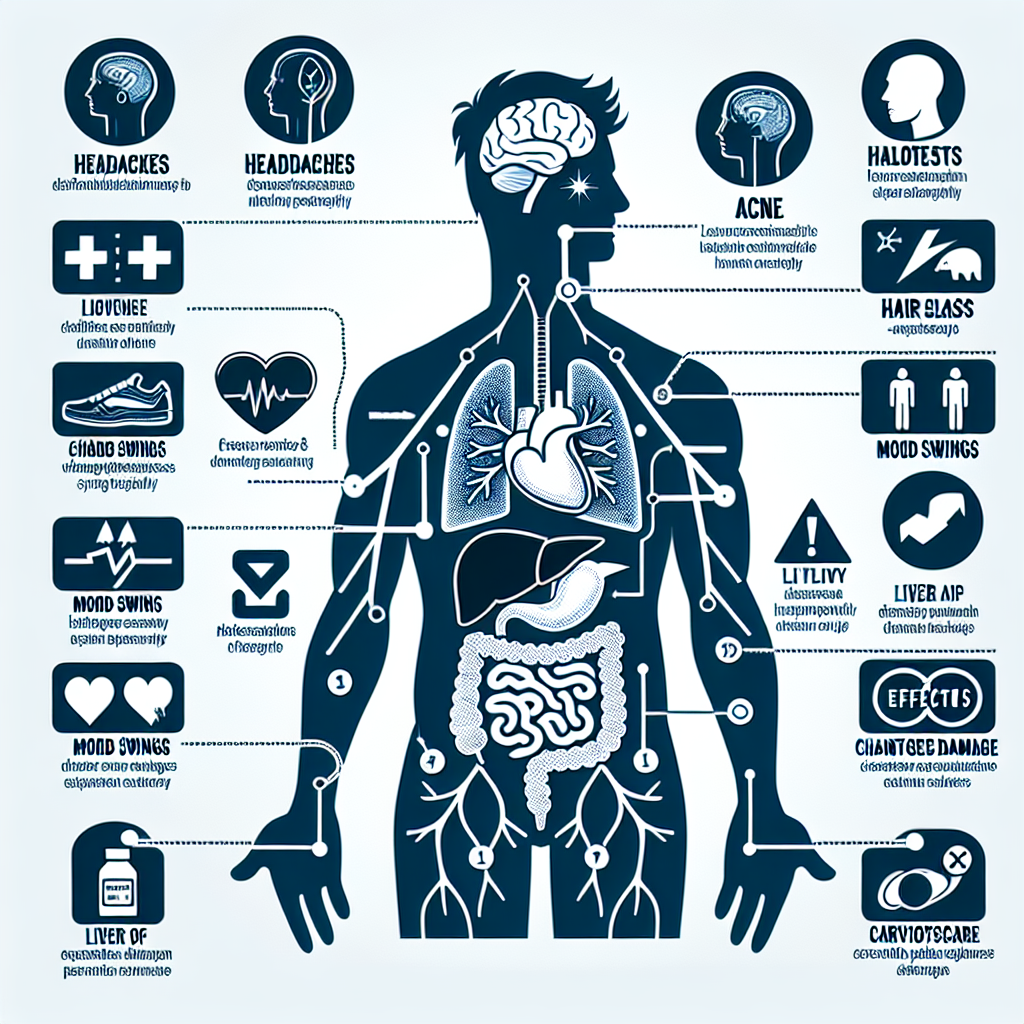
While halotestin may offer desirable effects for athletes, it also comes with a range of side effects that users should be aware of. These include:
- Hepatotoxicity: As with most oral AAS, halotestin can cause liver damage. This is due to its 17-alpha methyl group, which makes it resistant to breakdown by the liver. Long-term use or high doses can lead to liver damage, including liver tumors.
- Cardiovascular effects: Halotestin can increase blood pressure and cholesterol levels, which can increase the risk of heart disease and stroke. It can also cause an increase in red blood cell count, which can lead to an increased risk of blood clots.
- Androgenic effects: Halotestin has a high androgenic rating, which can lead to side effects such as acne, hair loss, and increased body hair growth. It can also cause virilization in women, leading to masculine characteristics such as a deepening voice and clitoral enlargement.
- Suppression of natural testosterone production: As with all AAS, halotestin can suppress the body’s natural production of testosterone. This can lead to a decrease in libido, testicular atrophy, and potential fertility issues.
Rare Side Effects of Halotestin
In addition to the common side effects, there are also some rare but serious side effects that have been reported with the use of halotestin. These include:
- Psychological effects: Halotestin has been known to cause mood swings, aggression, and even psychosis in some users. This is due to its strong androgenic effects on the central nervous system.
- Gynecomastia: While halotestin has anti-estrogenic effects, it can still cause an increase in estrogen levels in some individuals. This can lead to the development of breast tissue in men, known as gynecomastia.
- Prostate enlargement: Halotestin can cause an increase in prostate size, which can lead to difficulty urinating and an increased risk of prostate cancer.
Managing Side Effects of Halotestin
While the side effects of halotestin may seem daunting, there are ways to manage and minimize them. The most important step is to use halotestin responsibly and under the guidance of a healthcare professional. This includes using it at the lowest effective dose and for the shortest duration possible.
It is also essential to monitor liver function and cholesterol levels regularly while using halotestin. This can help catch any potential issues early on and prevent long-term damage. Additionally, incorporating a healthy diet and regular exercise can help mitigate some of the cardiovascular effects of halotestin.
For those experiencing androgenic side effects, using a 5-alpha reductase inhibitor, such as finasteride, can help reduce the conversion of testosterone into dihydrotestosterone (DHT), which is responsible for these side effects. It is also important to note that halotestin should not be used by women due to its high androgenic effects and potential for virilization.
Expert Opinion on Halotestin
According to a study published in the Journal of Clinical Endocrinology and Metabolism, halotestin has been shown to have a significant impact on muscle strength and size in individuals with muscle-wasting diseases (Bhasin et al. 2001). However, the study also noted the potential for liver toxicity and other side effects, emphasizing the importance of responsible use and monitoring.
Another study published in the Journal of Clinical Endocrinology and Metabolism found that halotestin can significantly increase lean body mass and strength in healthy men (Bhasin et al. 1996). However, the study also noted the potential for psychological side effects, such as aggression and mood swings, which can be concerning for some individuals.
Overall, halotestin can be a powerful tool for athletes looking to enhance their performance. However, it is essential to use it responsibly and be aware of the potential side effects. Regular monitoring and working with a healthcare professional can help mitigate these risks and ensure the safe use of halotestin.
References
Bhasin, S., Storer, T. W., Berman, N., Callegari, C., Clevenger, B., Phillips, J., … & Casaburi, R. (1996). The effects of supraphysiologic doses of testosterone on muscle size and strength in normal