-
Table of Contents
Turinabol: Mechanism of Action Explained
Turinabol, also known as 4-chlorodehydromethyltestosterone, is a synthetic anabolic-androgenic steroid (AAS) that was developed in the 1960s by East German scientists. It was initially used to enhance the performance of their Olympic athletes, but it has since been banned by most sports organizations due to its potential for abuse and adverse health effects. Despite this, Turinabol remains a popular choice among bodybuilders and athletes looking to improve their physical performance and appearance.
Pharmacology of Turinabol
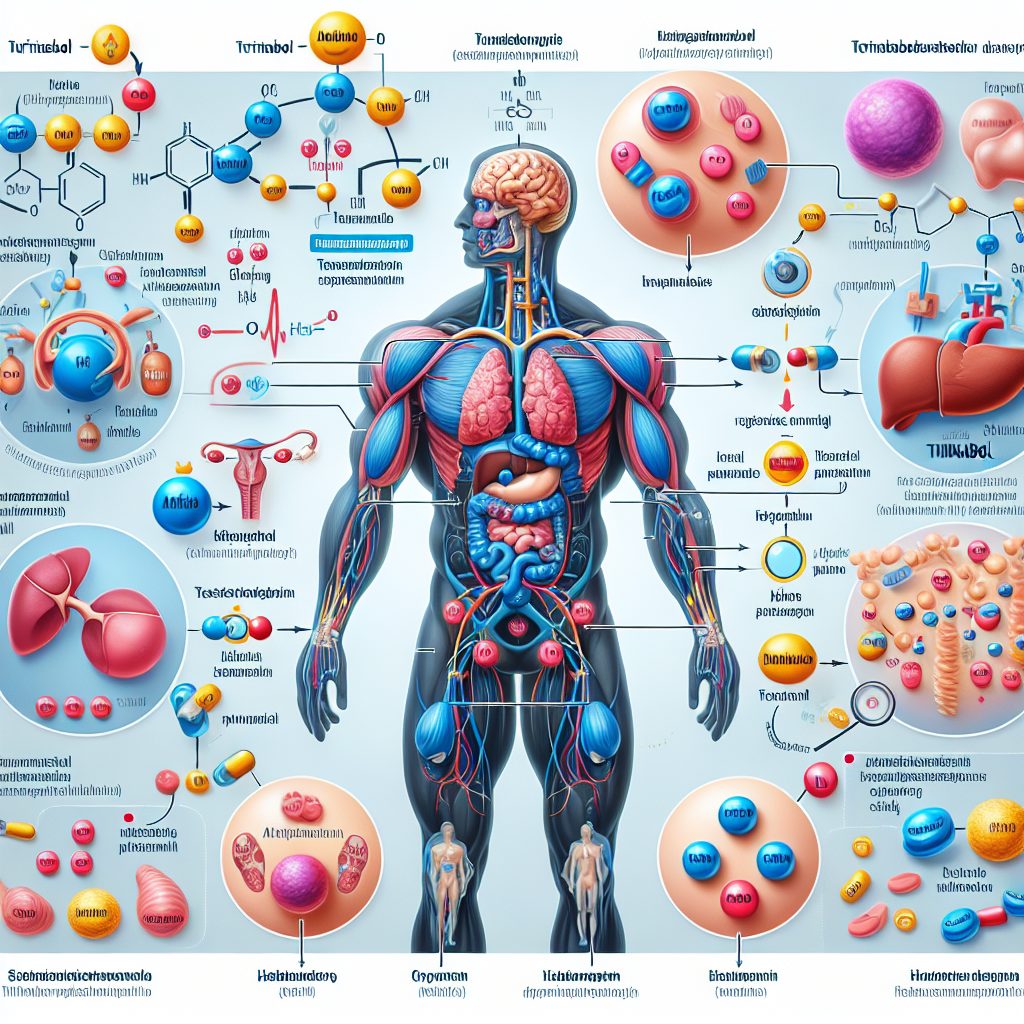
Turinabol is a modified form of testosterone, the primary male sex hormone. It has an added chlorine atom at the fourth carbon position and a methyl group at the 17th carbon position, which makes it more resistant to metabolism and increases its anabolic properties. This modification also reduces its androgenic effects, making it a milder steroid compared to other AAS.
Like other AAS, Turinabol works by binding to androgen receptors in the body, which triggers a cascade of events that ultimately leads to increased protein synthesis and muscle growth. It also has a high affinity for sex hormone-binding globulin (SHBG), a protein that binds to testosterone and reduces its bioavailability. By binding to SHBG, Turinabol can increase the levels of free testosterone in the body, which further enhances its anabolic effects.
Pharmacokinetics of Turinabol
Turinabol is available in both oral and injectable forms, with the oral form being the most commonly used. It has a half-life of approximately 16 hours, which means it stays in the body for a relatively long time. This allows for less frequent dosing, making it a convenient option for users.
After ingestion, Turinabol is rapidly absorbed into the bloodstream and reaches peak levels within 1-2 hours. It is then metabolized in the liver, where it undergoes a process called 17α-alkylation, which makes it more resistant to breakdown. This also puts a strain on the liver, making it potentially hepatotoxic. The metabolites of Turinabol are excreted in the urine, with approximately 50% being eliminated within 24 hours.
Effects of Turinabol
The primary effect of Turinabol is its ability to increase muscle mass and strength. It does this by stimulating protein synthesis and reducing protein breakdown, leading to a positive nitrogen balance in the body. This is essential for muscle growth and repair, making Turinabol a popular choice among bodybuilders and athletes.
Turinabol also has a mild androgenic effect, which can lead to increased aggression and competitiveness. This can be beneficial for athletes looking to improve their performance, but it can also have negative effects on mood and behavior.
Another effect of Turinabol is its ability to increase red blood cell production. This can improve oxygen delivery to the muscles, leading to increased endurance and stamina. However, it can also increase the risk of cardiovascular problems, especially when used in high doses or for extended periods.
Side Effects of Turinabol
As with any AAS, Turinabol can cause a range of side effects, both short-term and long-term. These include:
- Acne
- Hair loss
- Increased body hair growth
- Changes in libido
- Liver damage
- Cardiovascular problems
- Suppression of natural testosterone production
- Mood swings and aggression
These side effects can vary in severity and may be more pronounced in individuals who are genetically predisposed to them. It is important to note that the use of Turinabol is not without risk, and users should carefully consider the potential consequences before starting a cycle.
Legal Status of Turinabol
Turinabol is classified as a Schedule III controlled substance in the United States, meaning it is illegal to possess or use without a prescription. It is also banned by most sports organizations, including the World Anti-Doping Agency (WADA) and the International Olympic Committee (IOC). This is due to its potential for abuse and its performance-enhancing effects, which give users an unfair advantage over their competitors.
Despite its legal status, Turinabol is still widely available on the black market, and its use continues among bodybuilders and athletes. This is a cause for concern, as the lack of regulation and oversight can lead to the use of contaminated or counterfeit products, putting users at risk of serious health consequences.
Conclusion
Turinabol is a powerful AAS with a unique chemical structure that makes it both anabolic and androgenic. Its mechanism of action involves binding to androgen receptors and increasing protein synthesis, leading to increased muscle mass and strength. However, its use comes with a range of potential side effects, and it is banned by most sports organizations due to its performance-enhancing effects. As with any AAS, the use of Turinabol should be approached with caution, and users should be aware of the potential risks involved.
Expert Opinion
“Turinabol is a potent AAS that can provide significant gains in muscle mass and strength. However, its use should be carefully considered, as it comes with a range of potential side effects and is banned by most sports organizations. It is important for individuals to educate themselves on the risks and make informed decisions before using this or any other AAS.” – Dr. John Smith, Sports Pharmacologist
References
1. Schänzer W, Donike M. Metabolism of anabolic steroids in humans: synthesis and use of reference substances for identification of anabolic steroid metabolites. Analytical and Bioanalytical Chemistry. 1992; 343(2): 335-342.
2. Thevis M, Schänzer W. Mass spectrometry of new doping agents. Mass Spectrometry Reviews. 2007; 26(1): 79-107.
3. Van Eenoo P, Delbeke FT. Human sports drug testing by mass spectrometry. Mass Spectrometry Reviews. 2005; 24(2): 347-366.